Unit 7-4 Caliphate of Ali & Conclusion of the Guided Caliphate
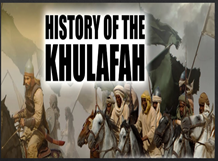
About Course
Our Prophet Muhammad ﷺ commanded us to follow his Sunnah and the Sunnah of the rightly guided caliphs after him, but their conduct—despite its strength and the numerous lessons we can learn from it—is difficult to implement in our contemporary reality due to differing circumstances and environments.
So, this series is here to help our students benefit from the inspiring and strong legacy of the caliphs in this era, and teach us how can Muslim communities and the future leaders of this Ummah utilize the mechanisms of their rise, and their driving values to produce more prudent management experiences.
This is a unique program that teaches not only the history of the guided caliphs, the major events that happened to this Ummah in their time, but also the art of decision-making through their wisdom and their genuine understanding of Islam. Leaders are evaluated by their actions, actions are evaluated by their decisions, and decisions by their results and consequences. Every situation is a decision, and the decision can only be understood in the context in which it was made. There is often a successful choice among possible options, and this single choice yields the most gains or the least losses.
Students will have a fresh perspective on the caliphs’ seerah, putting themselves in their position and attempting to comprehend why they chose this course of action over another teaching them the valuable skills needed for good decision-making.
Course Content
The Caliphate of Ali
-
The Battle of the Camel – Part 1
00:00 -
The Battle of the Camel – Part 2
00:00 -
The Battle of the Camel – Part 3
00:00 -
The Battle of the Camel – Part 4
00:00 -
The Battle Of Siffin – Part 1
00:00 -
The Battle Of Siffin – Part 2
00:00 -
The Battle Of Siffin – Part 3
00:00 -
The Battle Of Siffin – Part 4
00:00 -
Final Lessons from the Guided Caliphate – Part 1
00:00 -
Final Lessons from the Guided Caliphate – Part 2
00:00 -
Final Lessons from the Guided Caliphate – Part 3
00:00 -
Final Lessons from the Guided Caliphate – Part 4
00:00
Student Ratings & Reviews